
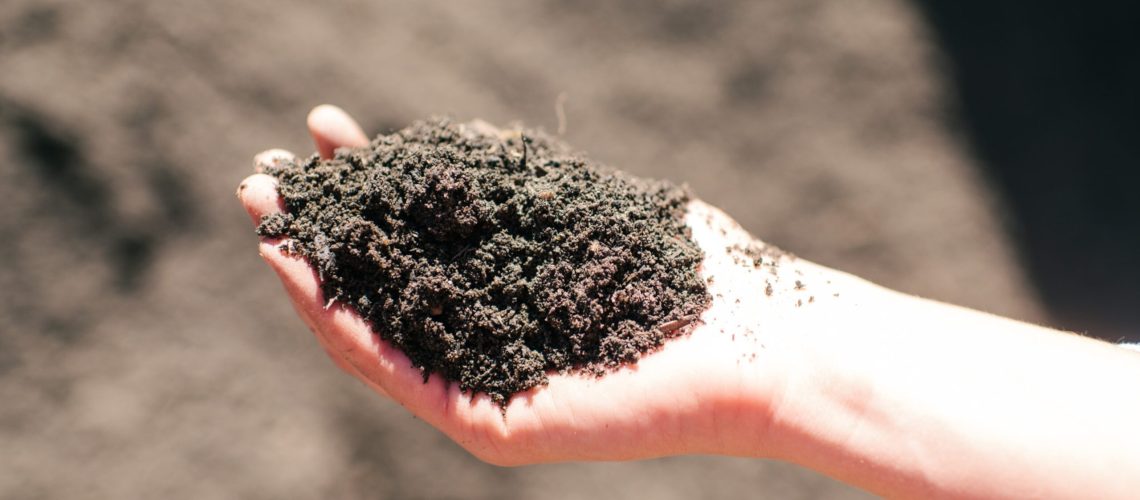
Every successful garden, lawn, or landscaping project starts with the right soil. Understanding soil types and their key characteristics is essential when choosing the right material for your project.
Knowing the difference between Soil Fill, Screened Topsoil, Sandy Loam, and Organic Blended Topsoil is one of the most important steps in achieving successful landscaping results.
Whether you’re improving a garden bed, establishing a new lawn, or simply building up an area, understanding soil composition, drainage, and soil types can help save time, money, and effort while ensuring the best results for your project.
Where Soil Comes From
Soil can be sourced in two main ways:
- Virgin Soil: Soil sourced directly from natural ground deposits.
- Recycled or Imported Soil: Soil sourced from construction sites, paddocks, or other locations. It is typically screened and processed before reuse.
Our Four Main Categories of Soil
There are many different soil types and terminologies used in the market. At Lofts, to simplify things for both our customers and team, we classify soils into four practical categories, each with its own characteristics and common applications.
| Soil Type | Screening & Testing | Organics Added | Typical Drainage | Typical Use |
|---|---|---|---|---|
| Soil Fill | Typically unscreened, untested | No | Low | Building up an area where plant growth is not required. |
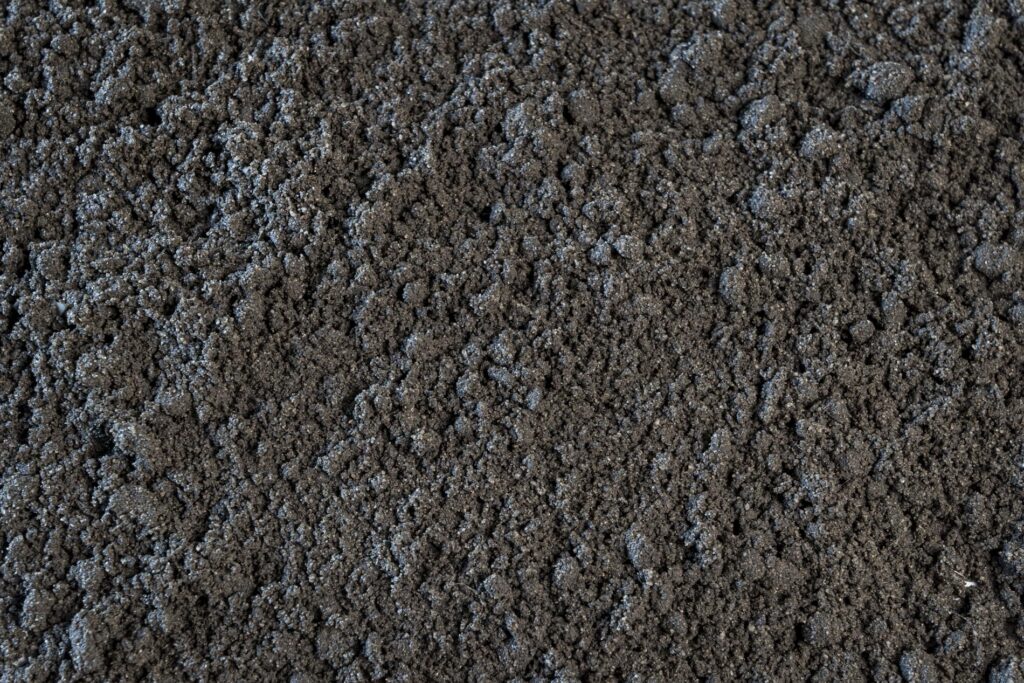
| Screened Topsoil | Screened and tested | Sometimes natural organics | Medium | Lawn base, garden beds, general landscaping |
| Sandy Loam | Screened and tested | Sometimes natural and added organics | High | Lawns and areas needing good drainage |
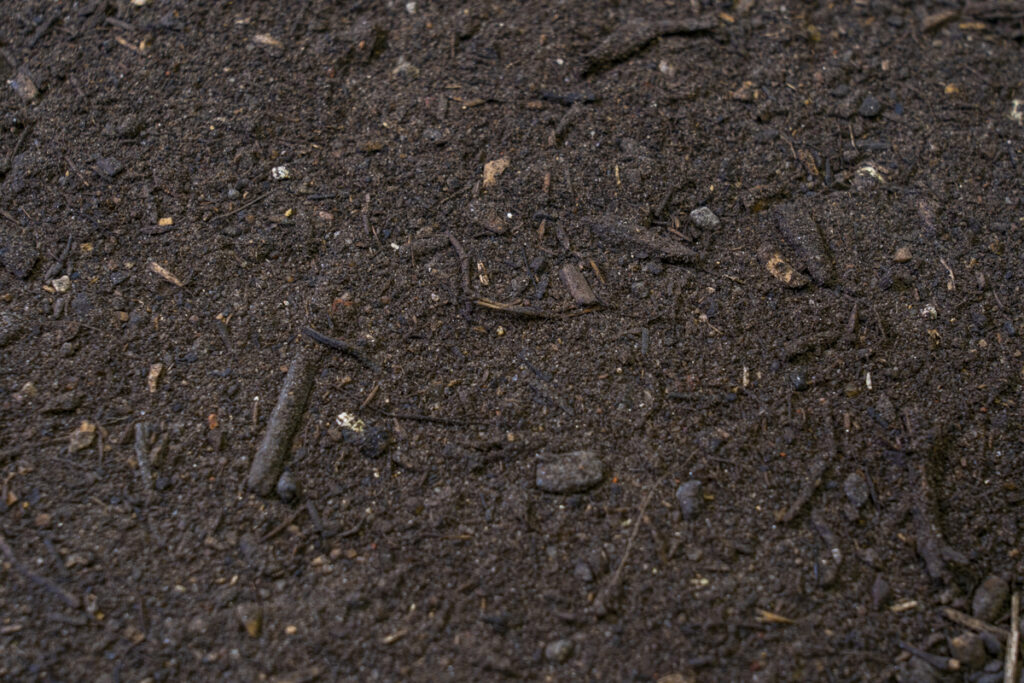
| Organic Blended Topsoil | Screened and tested | Yes (compost, mulch, etc.) | Low - Medium | Garden beds requiring nutrient-rich, moisture-retaining soil |
Screening and Blending Soil
Screening is the process of passing soil through a large mechanical sieve to remove lumps, rocks, and large debris. For garden beds and lawns, a soil that has been screened is ideal because it is free of debris and has a consistent texture.
After screening, soil may also be blended with organic matter, such as compost or mulch, to improve nutrient content and moisture retention. While these organic blends are beneficial for plant growth, they typically retain more moisture and therefore can drain more slowly than sandy soils.
Why Testing Matters
Lofts only supplies soils that have been tested for key parameters such as pH and salinity when intended for plant growth.
Any soils that have not been tested are classified strictly as Soil Fill and are recommended only for raising or building up areas, rather than planting or landscaping.
Understanding Drainage
Drainage is a critical property to consider when choosing soil:
- Soils high in sand (like Sandy Loam) generally drain faster and are less likely to waterlog.
- Soils high in organics retain moisture longer, making them ideal for nutrient-demanding garden beds but typically slower to dry.
- Soils high in clay hold water for longer and drain more slowly. While clay can help retain moisture and nutrients, excessive clay can lead to poor drainage, compaction, and waterlogging.
Knowing your soil’s drainage rate helps prevent puddling, root rot, or overly dry conditions, giving plants or turf the best chance to establish and grow.
Matching Soil to Applications
Different soil types are suitable for different uses:
- Lawn / Nature Strip: Sandy Loam or Screened Topsoil can provide a consistent base for turf, although Sandy Loam is often preferred for improved drainage.
- Garden Beds: Organic Blended Topsoil contains added organics, improving nutrient content and moisture retention for plant growth.
- Building Up Areas: Soil Fill is suitable for non-planting purposes, such as raising levels or filling low areas.
Key Takeaways
- Categorising soils into Soil Fill, Screened Topsoil, Sandy Loam, and Organic Blended Topsoil simplifies selection for landscaping and general construction uses.
- Screening, blending and testing help ensure the soil is suitable for its intended use.
- Understanding drainage and organic content helps match the right soil to your application and reduce issues such as waterlogging or poor plant growth.
By understanding the differences between soil categories and how they perform, you can more confidently select the right soil for your landscaping projects.
Soil Supply in Melbourne
Lofts supplies Screened Topsoil, Sandy Loam, and Organic Garden Soil across Melbourne and surrounding areas for landscaping, construction, and residential projects.
Whether you need soil for new lawns, garden beds, or raising ground levels, our team can help source the right product and arrange reliable delivery.
Ready to choose the right soil for your project?
Order online or request a quote today and we’ll help you secure the right product for your garden, lawn, or landscaping works.
Need further guidance? Our experienced team is here to assist, give us a call or email sales@lofts.au for further assistance.